- The Futurizts' Weekly Newsletter
- Posts
- I Read LHDN's 2024 Explanatory Notes
I Read LHDN's 2024 Explanatory Notes
Here's what you CAN / CANNOT claim for tax relief.

The Futurizts
January 04, 2026
Every year, LHDN releases Explanatory Notes on how tax reliefs work, including what you can and cannot claim.
It doesn’t answer every tax question out there, but many of the common mistakes and misunderstandings are already addressed in the document.
I’ve gone through the BE 2024 Explanatory Notes (the 2025 version isn’t out yet).
Here are 13 things you should know before filing your taxes in March.
1. The RM400 Tax Rebate Is Often Misunderstood
If your chargeable income does not exceed RM35,000, you are entitled to a RM400 tax rebate.
Key point: This applies to chargeable income, not gross income.
You can earn RM50,000 and still qualify for this rebate, if your tax reliefs legitimately reduce your chargeable income below that threshold.
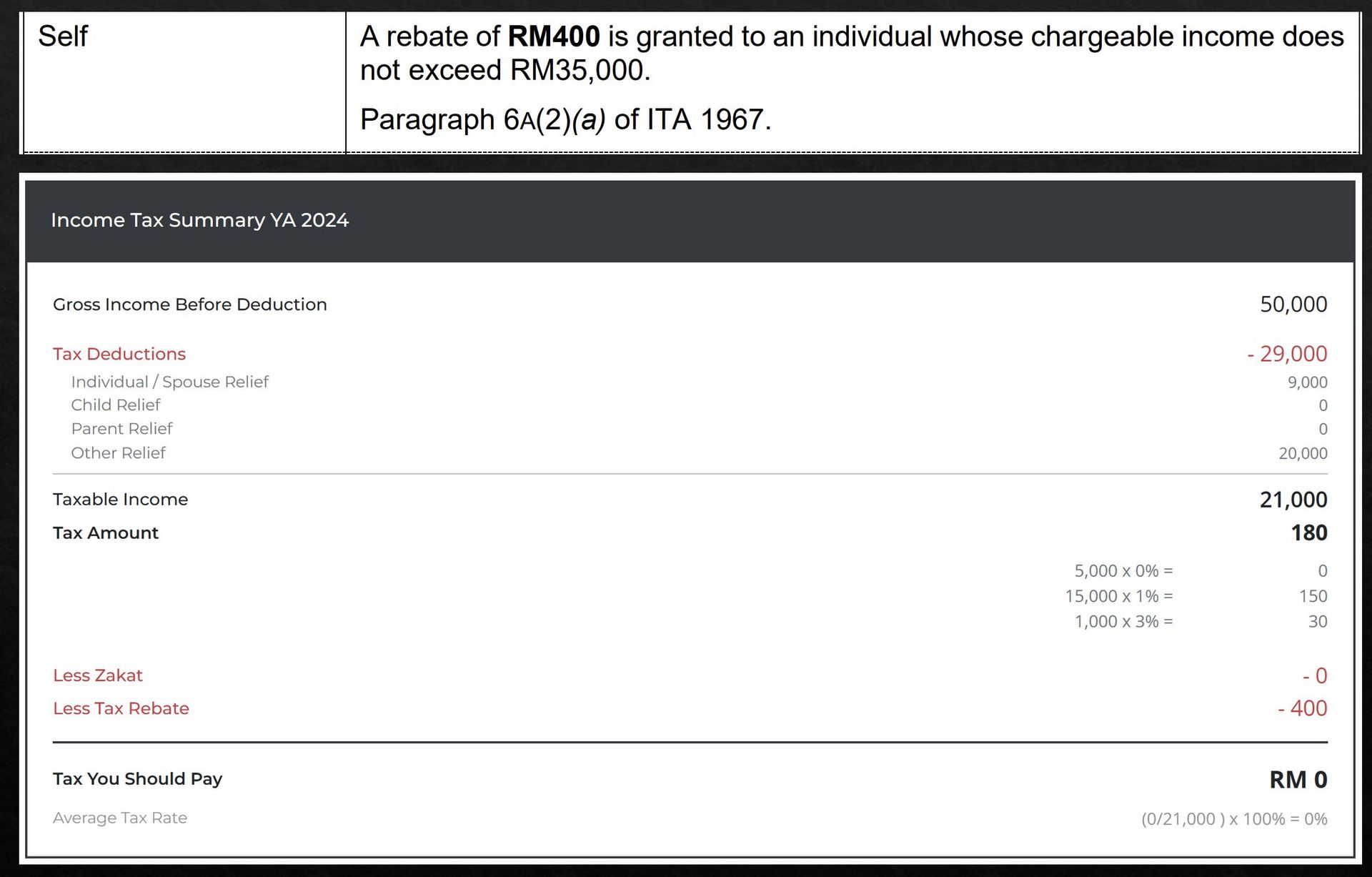
In this example, after tax deductions (RM29,000) and rebate (RM400), the final tax is RM0.
2. Medical Expenses for Parents: Up to RM8,000
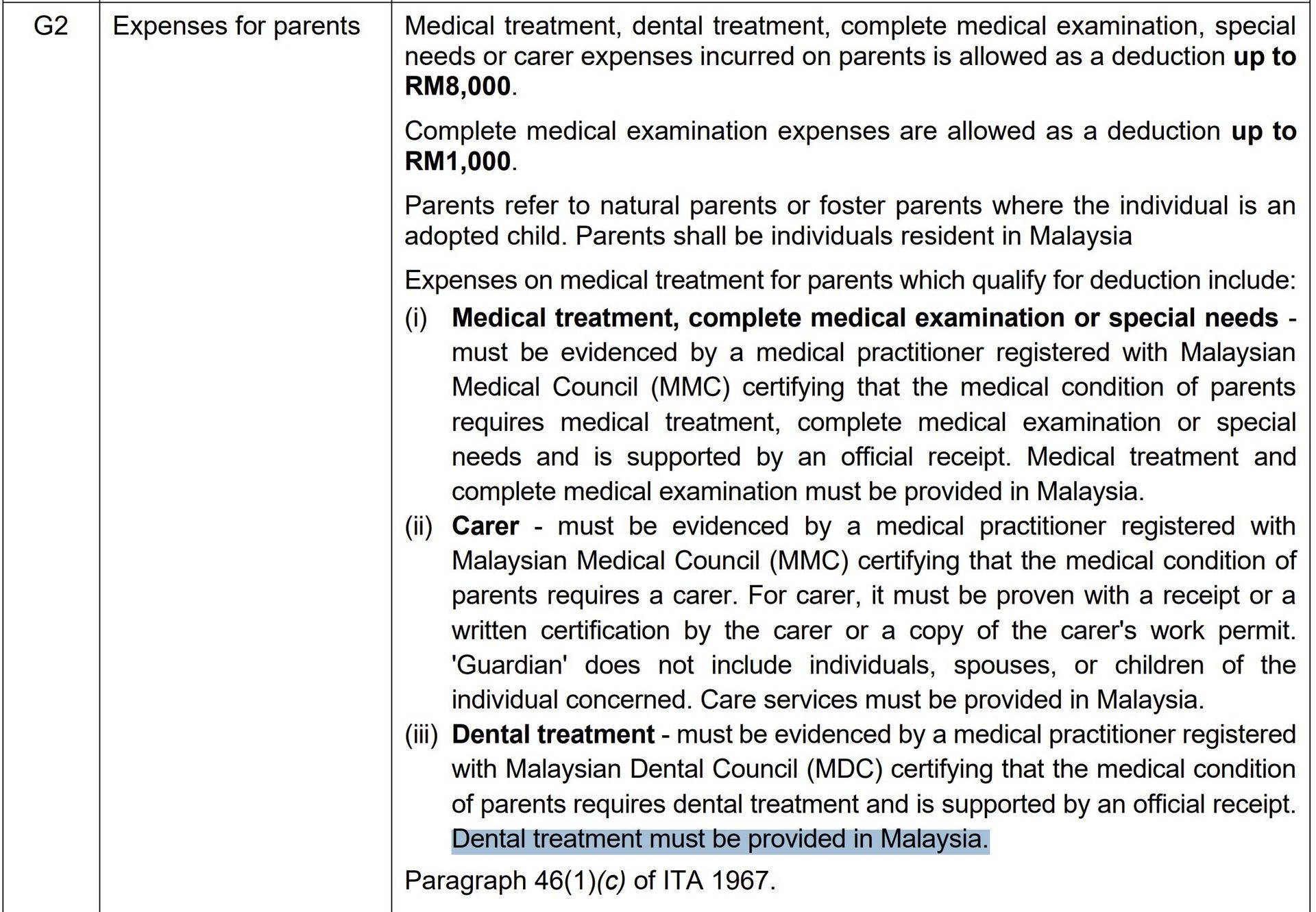
You can claim up to RM8,000 for medical expenses incurred on your parents, limited to:
Medical treatment
Dental treatment
Complete medical examination (up to RM1,000)
Special needs or carer expenses
Important conditions:
Parents must be resident* in Malaysia
Treatment must be provided in Malaysia
Dental claims must be for treatment purposes, not cosmetic
*Non-Malaysian parents (e.g. PR, long-term pass holders) who are resident in Malaysia is claimable.
3. Education for Self: Up to RM7,000
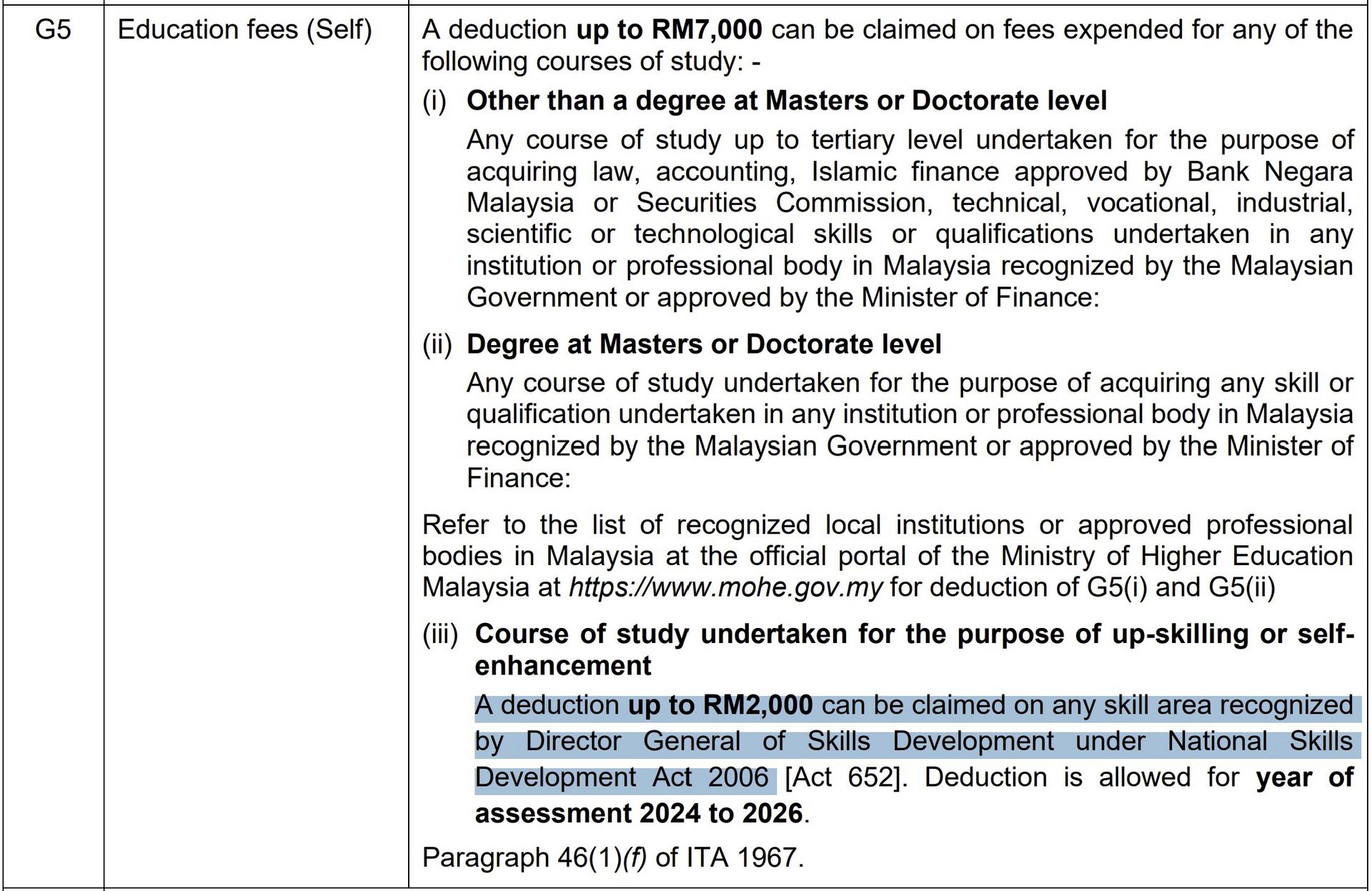
Education relief for self is capped at RM7,000, covering:
Courses up to tertiary level
Degree, Master’s, or Doctorate programmes
Upskilling / self-enhancement courses (cap of RM2,000)
Conditions:
Institutions must be located in Malaysia
Approved or recognised* by the Government or Minister of Finance
Courses must fall within LHDN-recognised categories
*For unapproved courses, you can claim them under the lifestyle relief (RM2,500).
4. Serious Diseases: Up to RM10,000
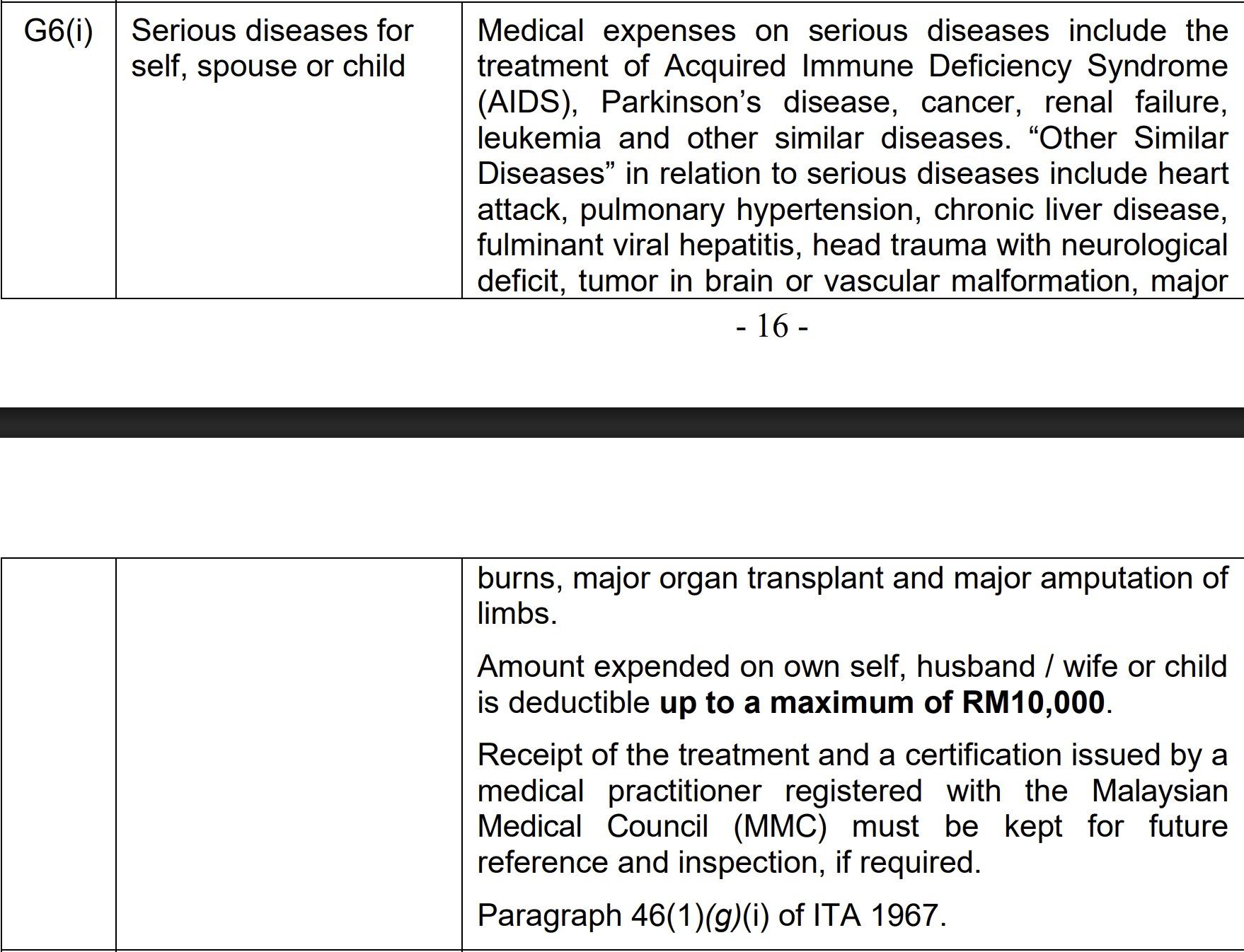
Medical expenses for serious diseases affecting yourself, your spouse, or your child are deductible up to RM10,000.
Common illnesses do not qualify. ⚠️
Examples:
Fever ❌
Flu ❌
Ankle sprain ❌
Broken arm ❌
This relief is meant for major, long-term, life-altering medical conditions, such as:
AIDS
Parkinson’s disease
Cancer
Heart attack
Liver disease
Amputation of limbs
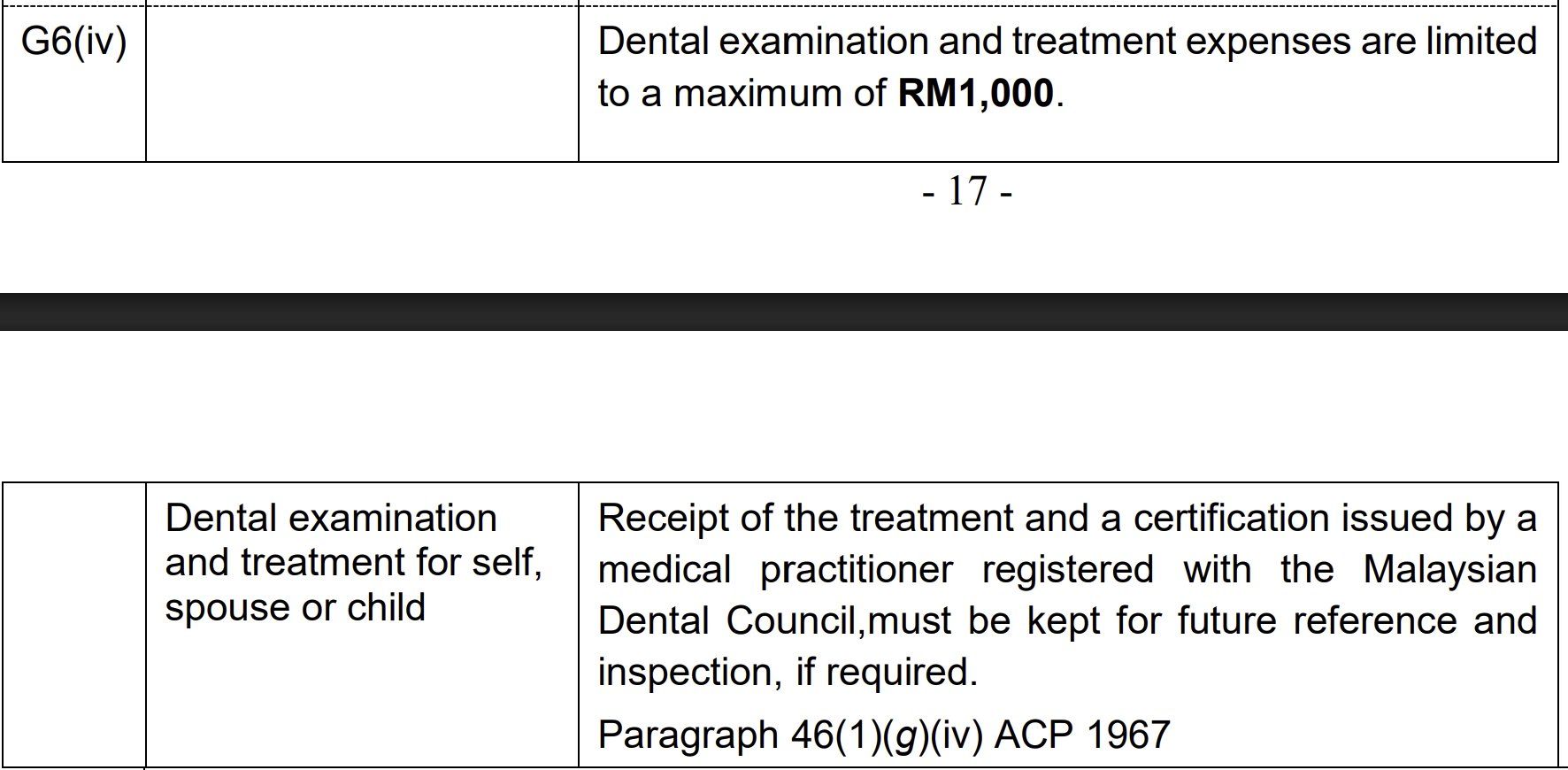
5. Dental Examination & Treatment: RM1,000
You may claim up to RM1,000 for dental examination or treatment for yourself, your spouse, or your child.
Important:
This applies to treatment, not cosmetic procedures
Any claim must be medically justified and properly documented
Clarification: Braces can be claimed only if it is for treatment purposes.
6. Medical Checkups, COVID Tests & Mental Health: RM1,000 Cap
These categories fall under one combined RM1,000 limit:
Complete medical examination
COVID-19 detection tests (including self-test kits)
Mental health examination or consultation
Once this RM1,000 cap is fully used, no further claims can be made under this category, even if expenses exceed it.
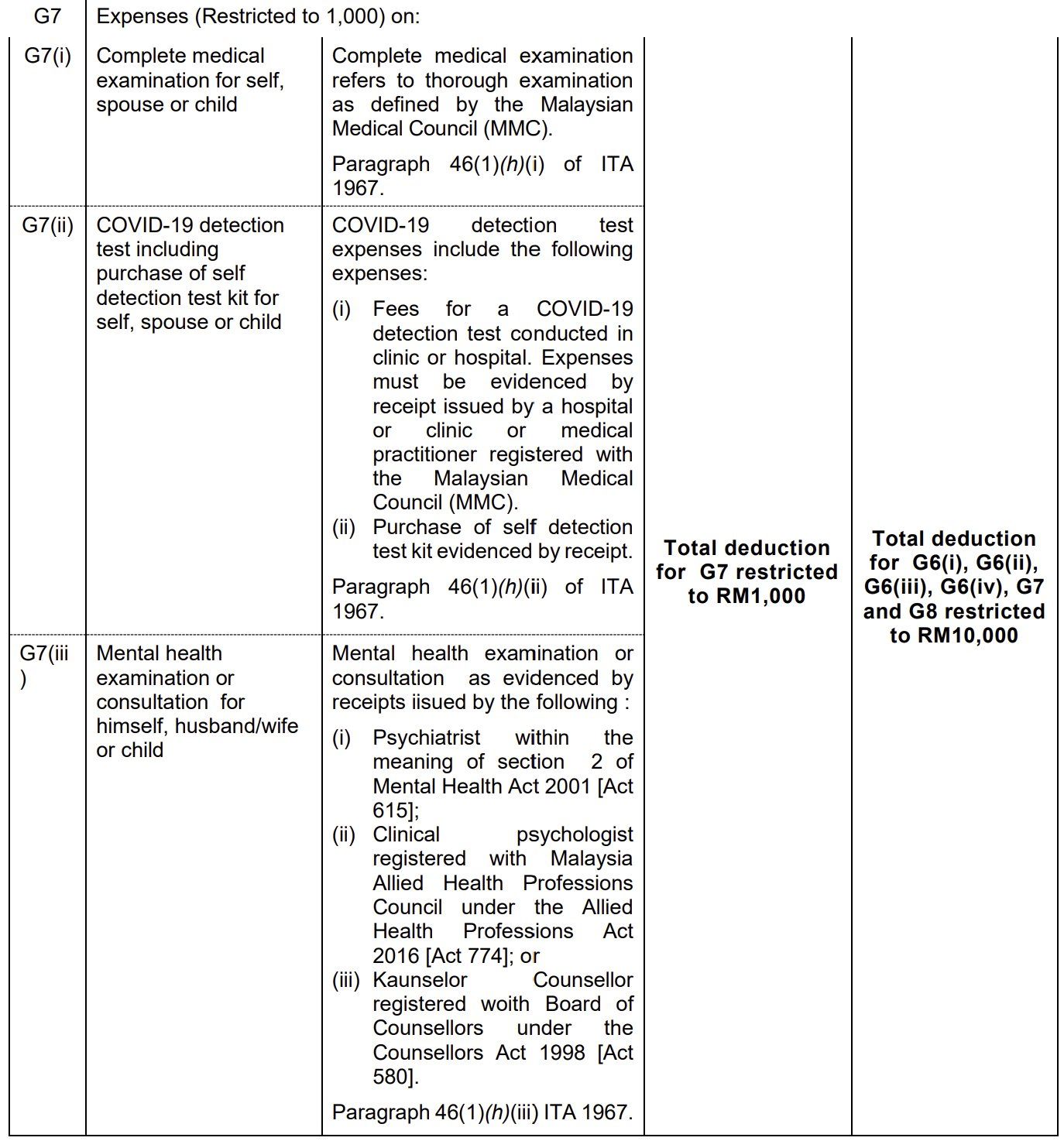
According to LHDN’s explanatory notes, these 3 categories have a combined RM1k limit.
7. Lifestyle Relief: RM2,500
Lifestyle relief is capped at RM2,500 and applies to expenses for yourself, your spouse, or your child.
It includes:
Books, journals, magazines, newspapers (physical or digital, non-illicit)
Personal computer, smartphone, or tablet*
Internet subscription
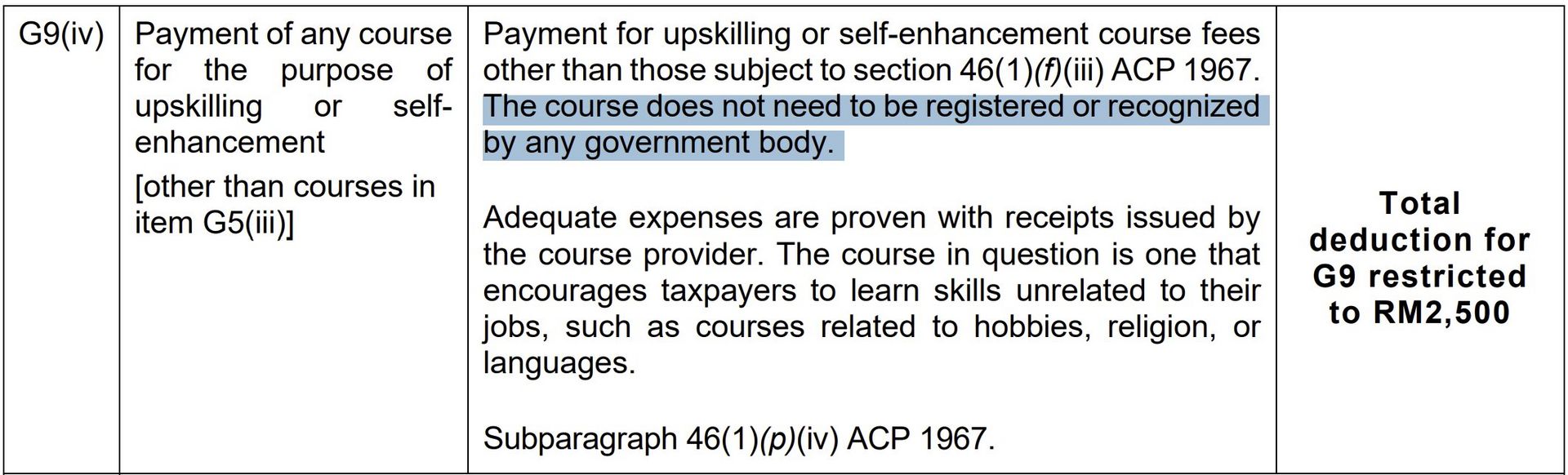
Self-enhancement courses
*Only applies to these 3 gadgets. Smartwatches cannot be claimed.
For self-enhancement courses:
The course does not need to be registered with any government body
But it should encourage learning in areas such as hobbies, languages, religion, or personal skills
Examples: Japanese language class, cooking class, photography class, udemy class
8. Sports Relief: RM1,000
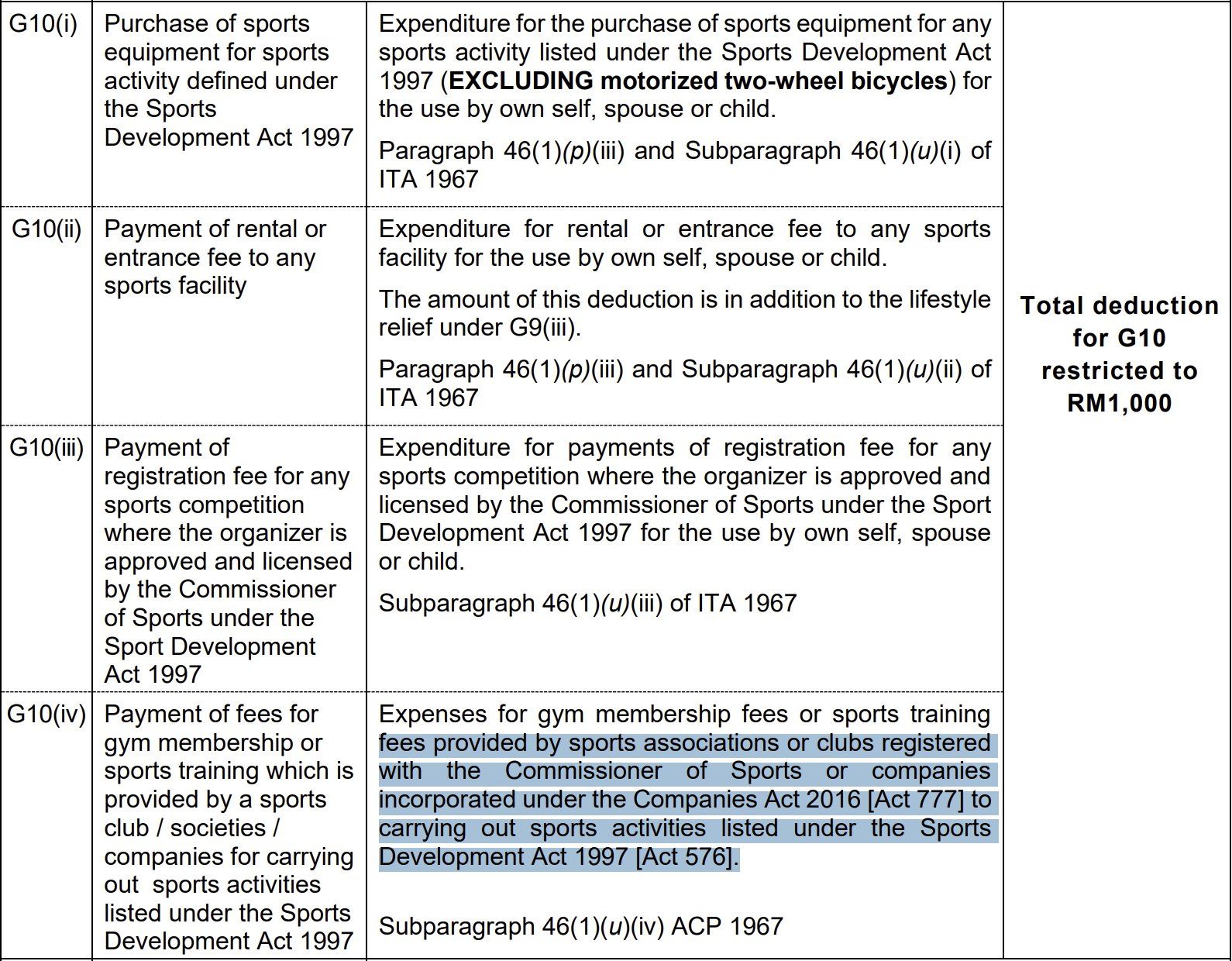
Sports-related expenses are deductible up to RM1,000, but only if the sport is listed under the Sports Development Act 1997.
Eligible expenses include:
Sports equipment
Registration fees
Gym membership or sports training fees
If a sport is not recognised under the Act, the related expenses are not deductible, regardless of popularity (ie. Pilates).
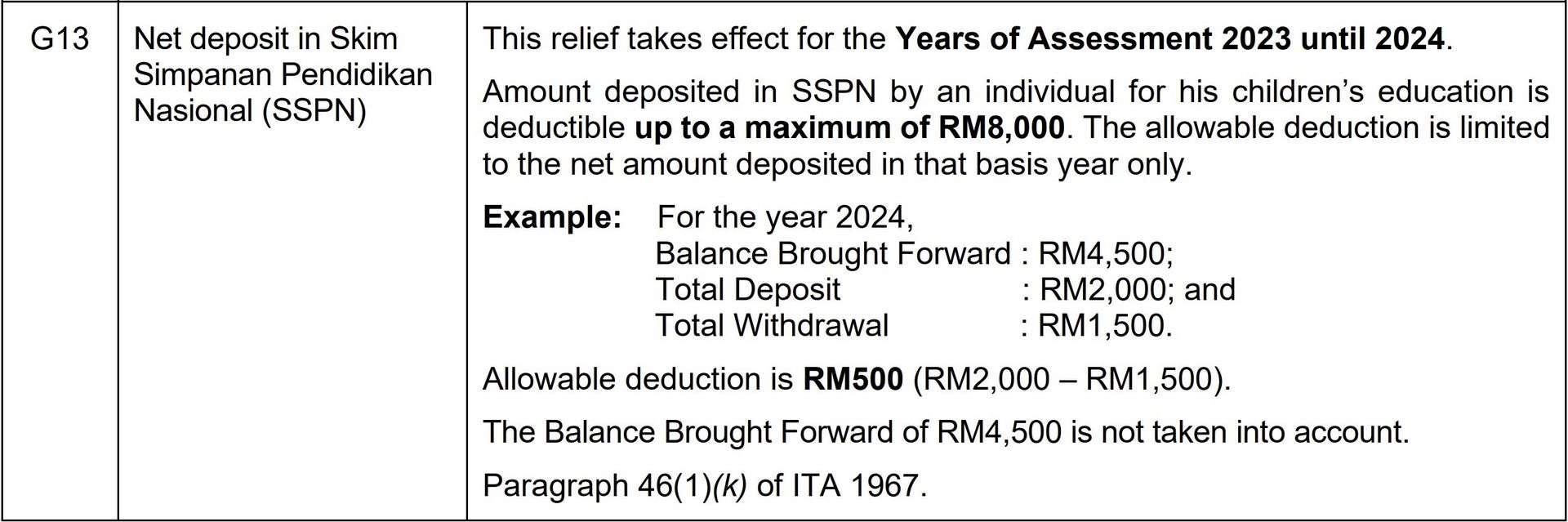
9. SSPN: RM8,000 (Net Deposit Only)
Deposits into Skim Simpanan Pendidikan Nasional (SSPN) are deductible up to RM8,000, but only on a net deposit basis.
Example (YA2025):
Deposit: RM2,000
Withdrawal: RM1,500
Claimable amount: RM2,000 - RM1,500 = RM500
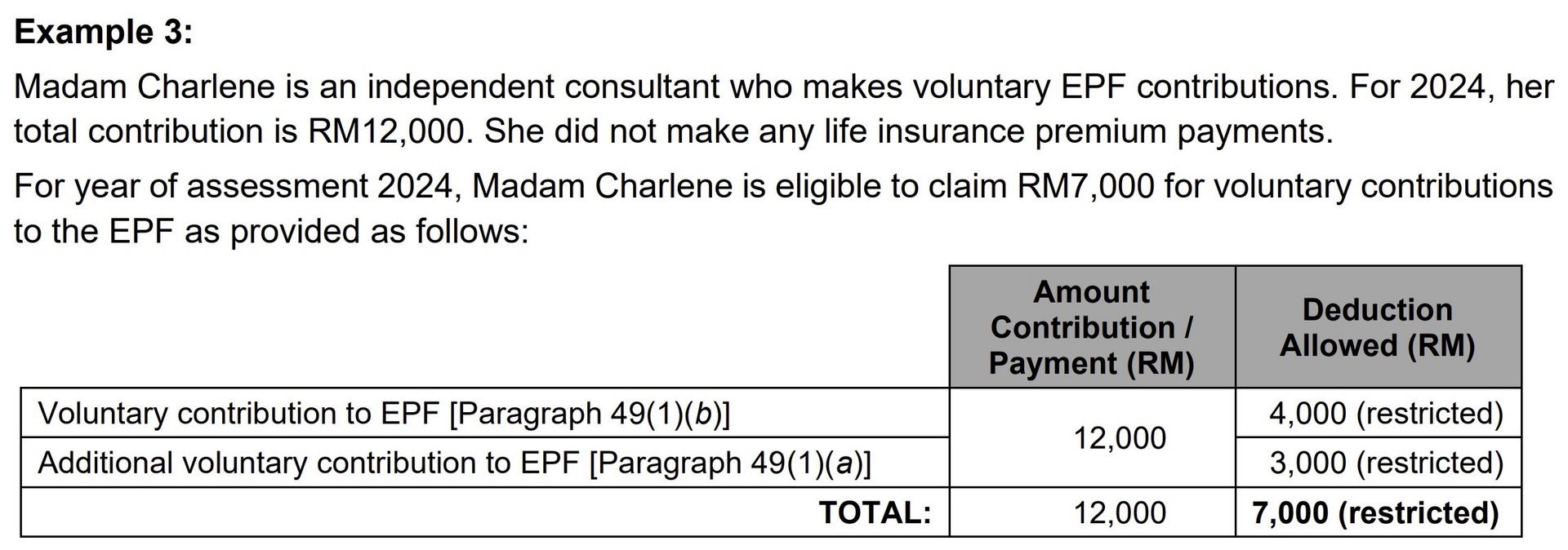
10. EPF & Life Insurance: RM7,000 Total
Relief for retirement and protection is capped at RM7,000, split as follows:
RM4,000: Mandatory and/or voluntary EPF contributions
RM3,000: Voluntary EPF and/or life insurance / family takaful
If you’re self-employed, you can voluntarily contribute up to RM7,000 and receive tax reliefs.
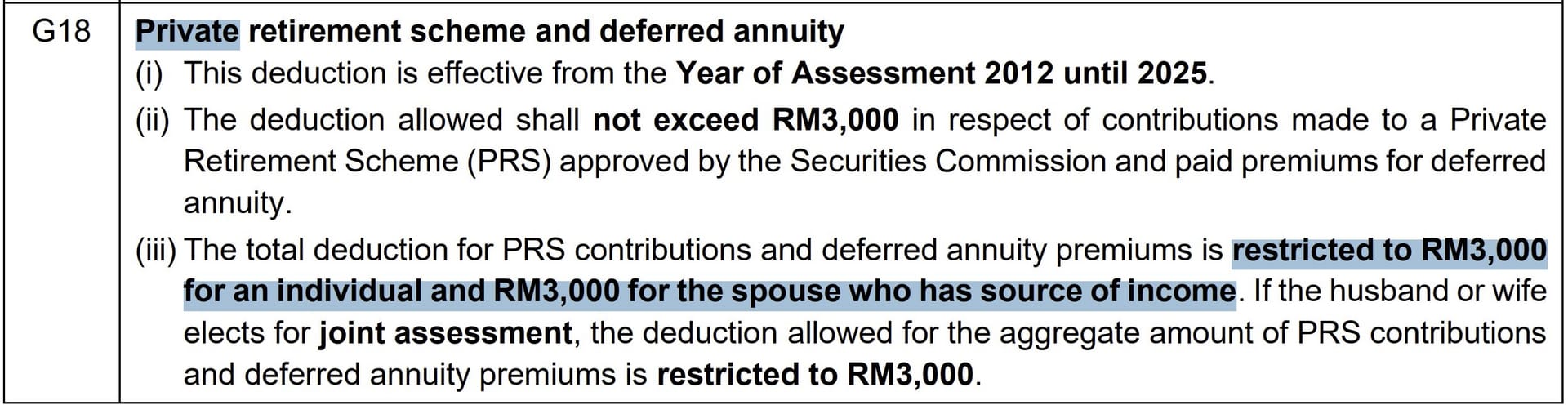
11. Private Retirement Scheme (PRS): RM3,000
PRS relief is capped at RM3,000 per individual.
If both spouses have income, each may claim RM3,000 separately
But under joint assessment, the total allowable relief remains RM3,000, not RM6,000
12. Education & Medical Insurance: RM4,000
You may claim up to RM4,000 for education and medical insurance premiums for:
Yourself
Your spouse
Your children
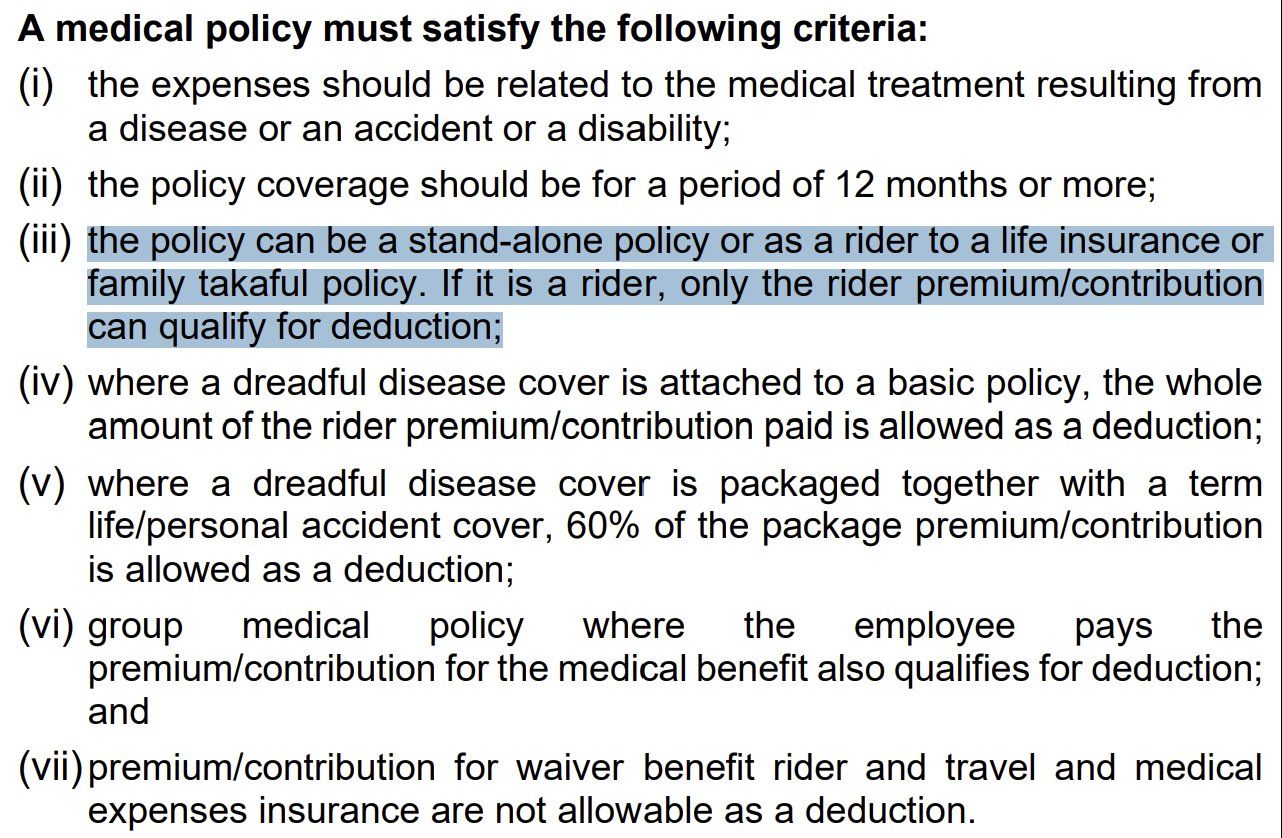
For medical insurance:
Policies may be standalone or riders
If attached as a rider to life insurance, only the rider portion qualifies
13. New Reliefs Announced for YA2025
i) An additional RM2,500 relief has been announced for:
EV charging facilities
Domestic food waste composting machines
ii) First-Time Home Buyer Relief: Up to RM7,000
If you purchased your first residential property, interest relief is available:
Property price ≤ RM500,000 → RM7,000 relief
Property price RM500,001 to RM750,000 → RM2,500 relief
If this was helpful, I’ve actually compiled a 20-page PDF that goes deeper into personal tax reliefs.
It includes:
Clear explanations on what you can / cannot claim
Real examples and audit insights shared by a licensed tax agent
Common mistakes people make (and how to avoid them)
Practical tips on documentation, allowances, and what happens after you file
If you want a copy of the PDF, join our paid WhatsApp group!
Disclaimer: This newsletter is for education only and is not tax advice. The tax landscape changes quickly, and everyone’s situation is different. If you want personalised advice for your own tax filing, please reach out to a licensed tax agent for proper professional guidance before you file.
Reply